
Table of contents
Maps have never been smarter, and yet more travelers are quietly rebelling against them. In an era of real-time routing, predictive “you might like” lists, and AI-generated day plans, the appeal of wandering has returned, not as nostalgia but as a deliberate travel skill. Researchers have long linked novelty and mild uncertainty to stronger memory formation, and tourism economists note a post-pandemic shift toward slower, neighborhood-level exploration. The question is no longer whether you’ll get lost, but whether your itinerary is built to let it happen.
When planning gets too perfect to remember
How many trips blur together? It is a common complaint among frequent flyers and city-break regulars, and it has a scientific backbone: experiences that are slightly unpredictable tend to be encoded more vividly than those that are fully scripted. In cognitive psychology, novelty and “context shifts” are widely associated with stronger episodic memory, and travel is essentially a factory for both, provided you don’t sand down every edge with a minute-by-minute schedule. The paradox of modern trip design is that optimization can flatten the story, because the brain remembers contrasts, small surprises, and moments of problem-solving, not just a checklist of “top sights.”
There is also a social dimension to hyper-planning that rarely gets admitted out loud. Sharing itineraries has become a kind of performance, and the pressure to “do the city right” pushes people toward the same corridors at the same hours, which helps explain why overtourism hotspots often feel like they are hosting identical days on repeat. Barcelona, Venice, and parts of central Amsterdam have all faced crowd-management debates in recent years, and while the policy details differ, the underlying pattern is similar: visitors cluster where algorithms, guidebooks, and social feeds converge. If everyone is routed to the same photogenic corner at 11 a.m., the city turns into a queue, and the traveler turns into a consumer of pre-approved scenes.
Getting lost, in the contemporary sense, does not mean courting danger or ignoring local rules, it means designing for discovery and leaving purposeful slack. Travel analysts have noted that “slow travel” has moved from niche to mainstream, and not just among retirees; remote work, flexible stays, and cost-of-living pressures have nudged people toward fewer bases, longer bookings, and deeper neighborhood exploration. Even in short trips, the same idea can be applied: instead of squeezing six districts into a day, choose two and let walking decide the third. What you gain is not just serendipity, but resilience, because an itinerary with breathing room absorbs delays, closures, and weather swings without collapsing into stress.
The city rewards walkers, not checklists
Want a simple test? If your plan only works with constant transit, it is probably too rigid to invite the good kind of lost. Cities reveal themselves at walking speed, and the difference is measurable: urban researchers routinely observe that pedestrian-scale environments increase casual encounters, micro-decisions, and attention to detail, the raw material of travel stories. When you walk, you notice the bakery that locals actually queue for, the side street where the light changes, the small museum with nobody inside, and you are also more likely to pause, ask a question, and recalibrate. That recalibration is the point, because it turns a destination into a relationship rather than a route.
Walking also changes the economics of your day, sometimes dramatically. A checklist itinerary tends to push spending toward entrance fees, timed tickets, and “must-do” transport add-ons, whereas wandering shifts costs toward small, distributed purchases, coffee here, a snack there, a spontaneous gallery ticket, and it often keeps you away from the highest-priced tourist traps. In many European capitals, for example, the price difference between a meal on a main square and one two or three streets away can be stark, not because quality collapses, but because footfall does. This is not a moral argument, it is a practical one: if you want your budget to stretch, your feet can be a better strategy than your app.
Still, walking needs structure to stay enjoyable. The trick is to anchor your day with one non-negotiable commitment, a booking, a museum slot, a dinner reservation, and then build “soft time” around it, a two-hour window that is intentionally unassigned. That window is where you let yourself miss turns, follow a sound, chase a smell, or simply sit and watch. If you are traveling with others, agree on a shared rule before you start, such as “no phones for the next 45 minutes,” and “we stop at the first place that looks good,” because group dynamics can kill wandering faster than any navigation tool. The best walking days are not aimless, they are lightly guided and confidently flexible.
Lost doesn’t mean careless: safety by design
Freedom feels better with guardrails. “Getting lost” should never be an excuse to ignore common sense, and in many destinations, basic safety planning matters more now than it did a decade ago, because travelers carry expensive devices, rely on digital payments, and sometimes move through crowded spaces where petty theft is opportunistic. The goal is not paranoia, it is friction reduction: the fewer avoidable problems you create, the more mental space you keep for discovery. Keep your phone out of sight when you do not need it, store a small backup payment method separately, and screenshot essential details, accommodation address, key booking confirmations, because batteries die at the worst moments.
Designing your day also includes choosing the kind of “lost” you want. Daylight wandering is different from late-night wandering, and unfamiliar neighborhoods can shift quickly after dark, even in cities that are generally safe. Plan your most exploratory walks for the hours when shops are open, streets are active, and public transport is frequent, then use evenings for known spots and pre-booked plans. If you are traveling solo, give someone at home a loose outline of your day and a check-in time, not because you expect trouble, but because it is a low-effort habit that pays off if something goes wrong. These are small moves that protect your independence.
There is also an ethical layer to the lost-traveler fantasy. Wandering through residential streets can be a privilege, and “authenticity hunting” can slip into voyeurism if you treat people’s daily life as scenery. Respect quiet areas, follow signage, and remember that a city is not a theme park built for your spontaneity. In places where visitor pressure is a political issue, follow local guidance on sensitive areas, and be mindful about what you photograph. The best kind of getting lost is not extractive, it is attentive, and it leaves a light footprint while still letting the traveler be surprised.
Building an itinerary that invites detours
Your plan should have blank space. That might sound like the opposite of an itinerary, but it is closer to how experienced travelers actually move: one or two fixed points, a set of flexible options nearby, and an agreement with yourself that you will not “complete” the city. Start with a simple geographic logic, choose a base neighborhood where you can walk to everyday services, cafés, parks, a transit hub, then assign each day a single area rather than a list of attractions spread across town. This reduces commuting fatigue, increases the chance of repeat visits to the same street, and makes you comfortable enough to improvise, which is where the detours appear.
Next, plan by themes, not trophies. Instead of “museum, cathedral, viewpoint,” try “harbor morning,” “bookshops and record stores,” “modern architecture,” or “saunas and waterfront,” because themes encourage you to follow curiosity while staying coherent. This is also where good local curation can help, because the internet’s loudest recommendations often point to the same saturated venues, while the best experiences are sometimes one neighborhood over. If you want a starting point that supports this kind of flexible exploration, you can browse https://www.oslo-spirit.com/, then treat what you find as a set of prompts rather than commandments, a way to spark ideas before you go and a way to keep options open once you arrive.
Finally, make peace with “missing out,” because that is the psychological hurdle that keeps people glued to schedules. A city is not a finite task, and the most satisfying trips often hinge on what was not planned: the conversation with a bartender, the unexpected viewpoint, the street where you turned left instead of right. If you are traveling with limited time, the solution is not to pack more in, it is to decide what kind of day you want to remember. A well-built itinerary is not the one that proves you were there, it is the one that leaves room for the city to answer back, and for you to change your mind mid-walk without feeling guilty.
Practical ways to keep it flexible
Start with one reservation per day. Book the thing that truly sells out, a popular museum slot, a special dinner, a performance, and leave the rest adaptable, because the moment you stack fixed times, you turn every delay into stress. Budget for spontaneity as well, not as an afterthought but as a line item: set aside a small daily amount for unplanned entries, local transport, and the café you choose because it looks right. Travelers who do this tend to feel less anxious about detours, because the detour is already “paid for” in their mental accounting, and that alone can make you more willing to explore.
Look for local savings before you arrive. Many cities offer multi-day transport passes, bundled attraction cards, or off-peak ticketing that reduces the need to chase the cheapest option on the fly, and in some cases, museum nights or free-entry windows can shape a day without over-structuring it. If you are traveling in shoulder season, watch for accommodation deals tied to longer stays, and if you qualify for youth, student, or senior discounts, gather proof in advance, because it can materially change what you decide to do once you are there.
Most importantly, leave yourself exit routes. Know how to get back to your accommodation, keep an offline map or a downloaded area, and identify a few “safe harbors” nearby, a transit station, a familiar café, a landmark you can return to if you feel disoriented. That is what makes getting lost feel like play rather than risk, and when it is play, you will do it more often, which is where the best travel writing, and the best travel memories, usually begin.
On the same subject

From Map To Memory: How Flexible Itineraries Reshape The Journey
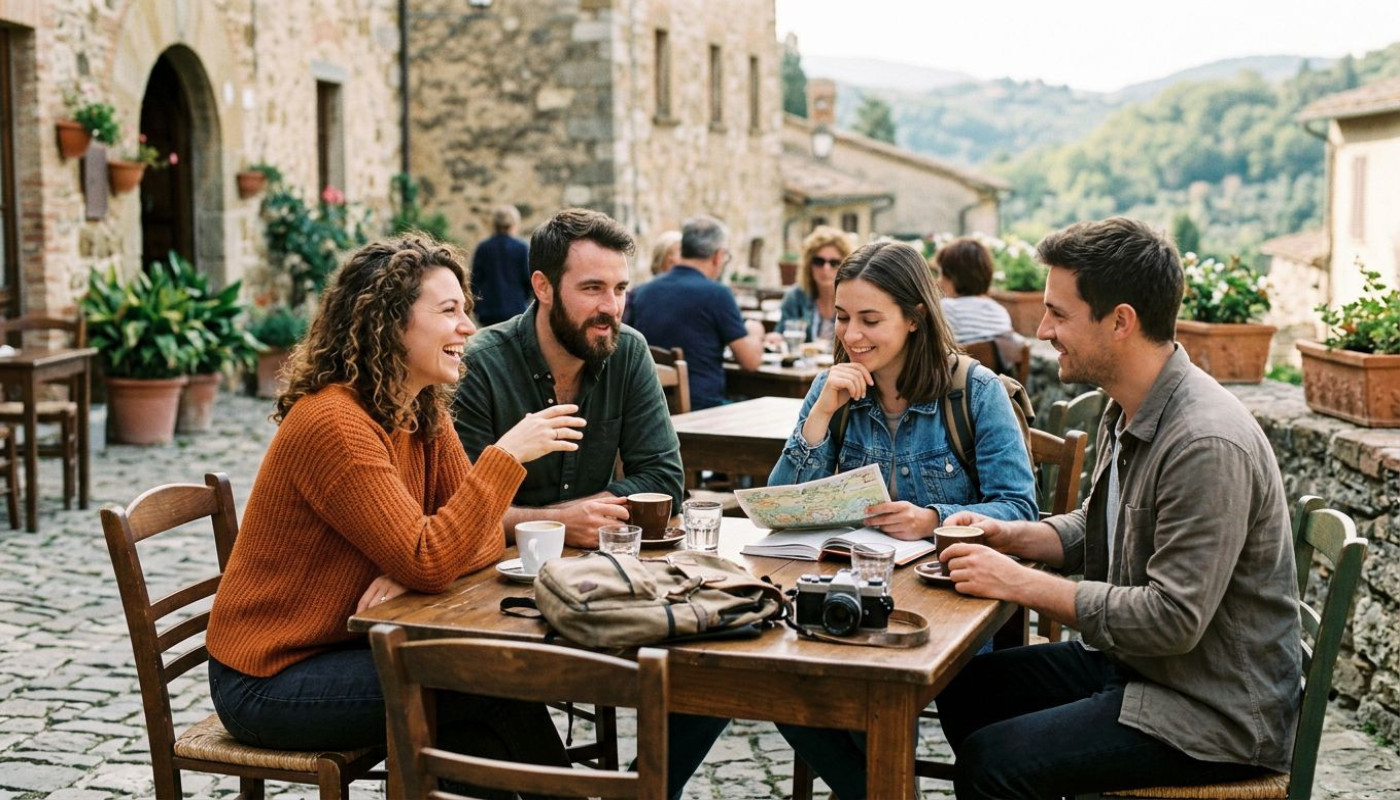
Are Excursions Really Worth It? Travelers Share Their Surprising Confessions

The Art Of Crafting Itineraries For Unpredictable Travelers
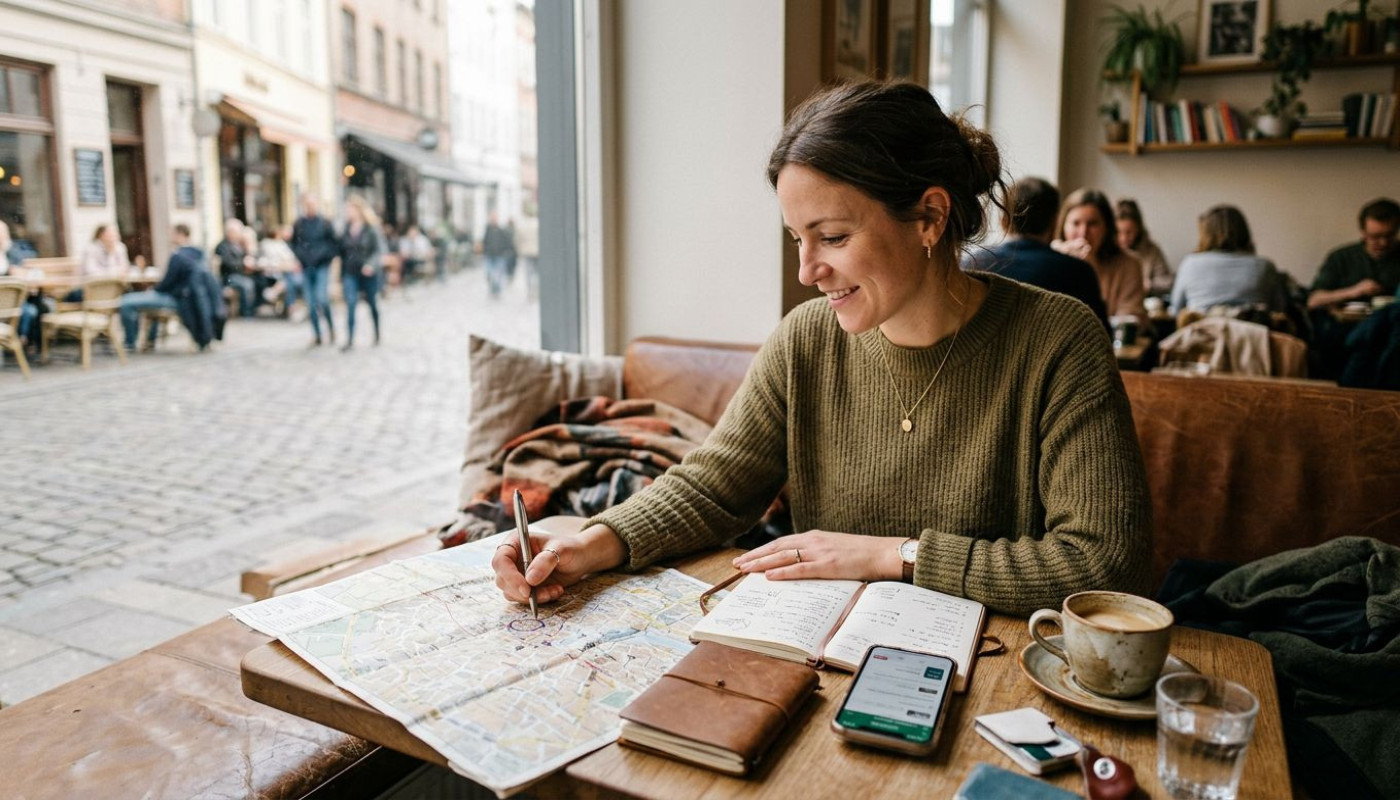
What Nobody Tells You About Planning Stress-free Travel Itineraries
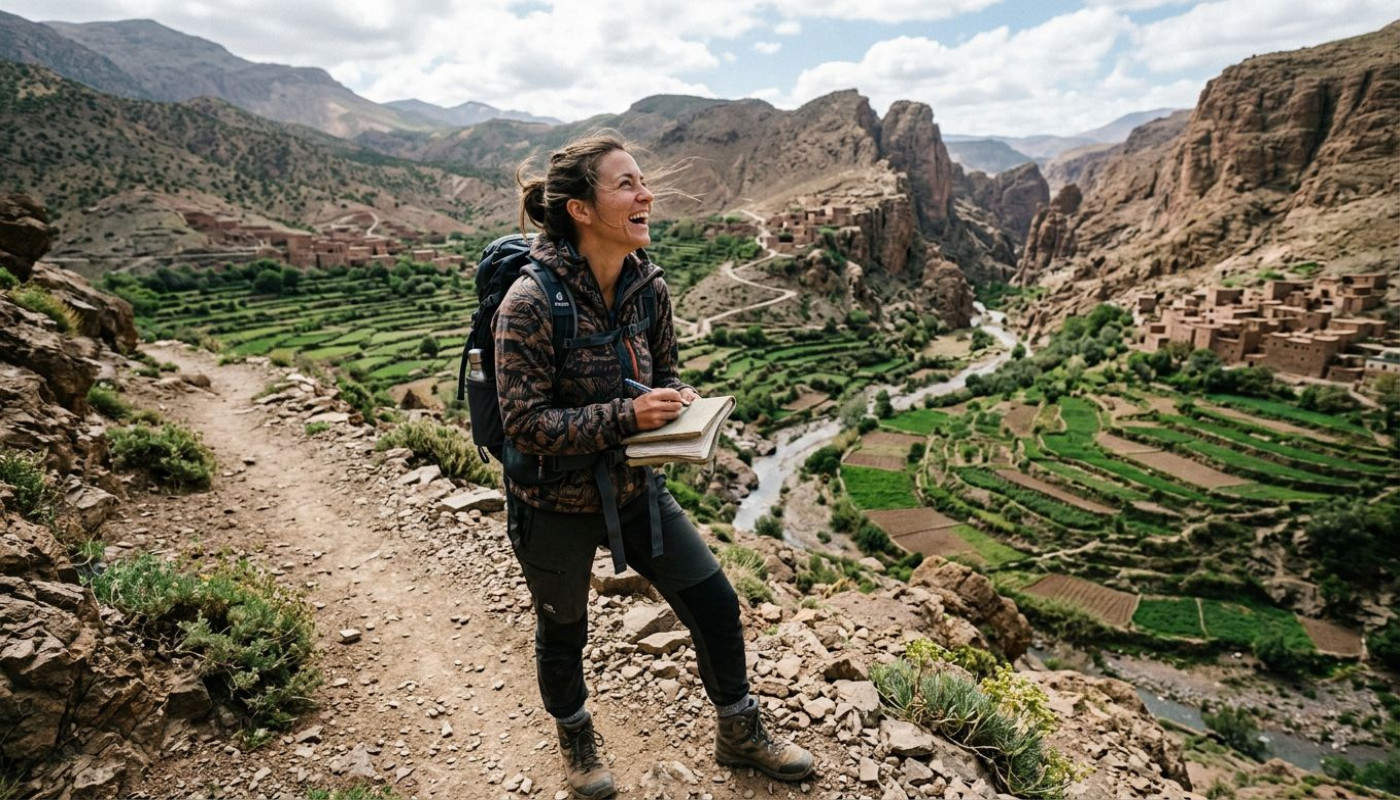
How Offbeat Itineraries Reshape Your Sense Of Adventure

How Choosing A Private Chauffeur Enhances Your City Travels?
